
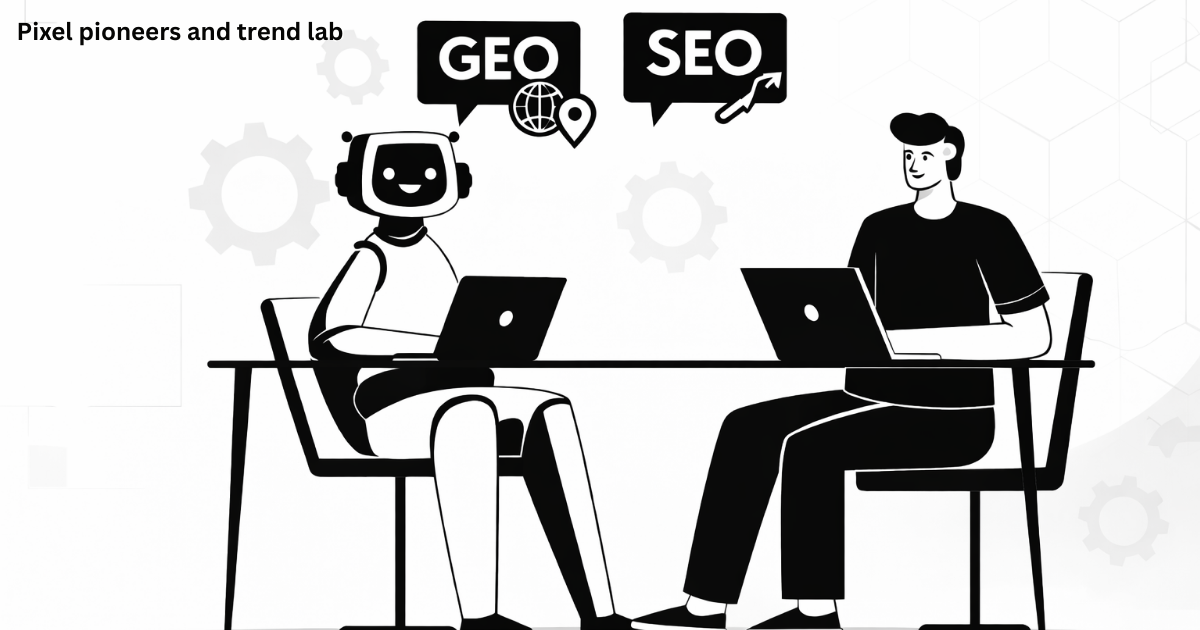
While SEO is still about appearing in the Search Engine Results Page (SERP), GEO is all about appearing in AI answers. While GEO and SEO are both different from one another, their end goal is to satisfy users with an appropriate answer that is of quality and has relevance. Structured content remains important for both. Both depend on EEAT for better visibility.Neither is a one-time thing to do and leave; it requires continuous optimization.Together, they go like two wheels of a vehicle (equally important) for better performance. GEO Vs SEO Difference SEO is all about content quality, site structure, backlinks, and technical performance to gain visibility on Google and other platforms. While GEO is different, it doesn’t rely on ranking. It is about presenting your content so that it gets cited by platforms like ChatGPT, Gemini, Claude, Perplexity, and AI Overviews . While both aim to solve user queries, their way of doing so is different.SEO gives 10 blue links, while GEO provides summarized answers. GEO wins by matching the question behind the query, not by chasing vague head terms. Original Stats Increased visibility, while well-structured content remains the main supporting pillar for that. Clean formatting increases your chances of getting cited more. Author bio remains important for both branding and credibility. Keywords and technical performance still matter, and Google prioritizes faster load times and mobile friendliness. While schema and optimized metadata increase conversion rates, FAQ, HowTo, product descriptions, and other forms of content help in better social signals across platforms. Refresh outdated content, expand information that underperforms, and discard content that no longer fits searcher needs. Tip: even updating 2–3 sentences or adding some updated facts works as well. SEO aims to win clicks from a list of website links.GEO focuses on being included in summaries, snippets, or conversational responses in AI-driven platforms. Think of it this way: SEO helps you be in the top 10, while GEO helps you get in the top 3. Conclusion SEO still remains the initial ladder that you need to climb first, while GEO makes sure that you reach the top. Best Strategy Make GEO and SEO work together. Start with SEO by creating helpful content, then build on it with GEO by optimizing the content for AI. Tip: use different forms of content, like images and videos, to outperform.
Beyond the Blue Links: Mastering the “Confusion to Conclusion” Funnel in the Age of AI Overviews
The era of the “10 Blue Links” is fading. With Google AI Overviews (SGE) dominating the top of the Search Engine Results Page (SERP), the goal of SEO has shifted. It’s no longer just about ranking #1; it’s about becoming the trusted source that the AI cites to answer the user’s question. When AI provides a direct summary, “zero-click searches” rise, and traditional organic traffic can dip. However, this isn’t the death of SEO it’s the birth of a more sophisticated, multi-platform Buyer Journey. How Google AI Overviews Will Impact SEO In 2026 : The New Buyer Journey Today’s customer doesn’t just click the first link and buy. Their journey is fragmented, moving across search engines, social media, and video platforms before a decision is made. The Conclusion (The Win): If your YouTube video provides the final piece of the puzzle and a direct link, you win the race. The Discovery Phase (Google AI): The user searches for a product or solution. Google AI provides a summary. If your content is structured correctly, you are the cited source in that summary, building immediate authority. The Comparison Phase (The Exit): The user exits the SERP to explore other options, ensuring they aren’t missing out. The Retargeting Phase (Social Media): While scrolling Instagram or TikTok, the user sees targeted ads. This is where your brand stays “top of mind” through dynamic visuals. The Validation Phase (YouTube): This is the crucial “second-to-last” stage. The user goes to YouTube to see the product in action or watch a comparison. They are looking for a reason to say “yes.” The “Confusion to Conclusion” Strategy